
Jobs Listing
Total Control, Total Comfort: Introducing Toyota’s EZ Control Joystick
Now Available at Summit ToyotaLift

At Summit ToyotaLift, we understand that great equipment isn’t just about horsepower—it’s about the people who operate it every day. That’s why we’re excited to introduce Toyota’s newest innovation: the EZ Control Joystick, now available on Toyota’s 3-Wheel Electric Forklifts and Core IC models for both indoor and outdoor use.
This next-generation control system is designed to boost productivity, increase safety, and keep your operators comfortable—shift after shift.
What Is the EZ Control Joystick?
The EZ Control Joystick replaces traditional hydraulic levers with a single, intuitive joystick that puts full control in one hand. Operators can now lift, lower, tilt, and side-shift with precise responsiveness—without overextending or fumbling for multiple controls.
Whether your team is navigating tight warehouse aisles or lifting heavy loads outside, this technology makes handling smoother, faster, and more operator-friendly than ever before.
Built for Operator Comfort
Your operators are the heartbeat of your operation—and the EZ Control Joystick helps them perform at their best. Its ergonomic design supports natural hand positioning, reduces wrist and shoulder strain, and cuts down on repetitive movements that cause fatigue and injury.
That means fewer breaks, fewer injuries, and a happier, more efficient team.
Efficiency Meets Precision
With the joystick’s smart hydraulic response, operators can execute fine-tuned movements with confidence—especially important in high-stakes environments like manufacturing, logistics, retail distribution, and cold storage.
The EZ Control Joystick is currently available on:
- Toyota’s Core IC, Mid IC and Large IC Pneumatic Forklifts – perfect for outdoor yards, loading docks, and rugged surfaces
- Toyota’s Core IC and Large IC Cushion Forklifts – well-suited for warehousing and distribution applications, manufacturing plants, and retail
- Toyota’s Core Electric Forklifts – great in manufacturing, cold storage, and warehouses with smooth floors
- Toyota’s 3-Wheel Electric Forklifts – ideal for indoor operations, narrow aisles, and high-density storage
No matter the environment, your team will enjoy seamless transitions and tighter control.
Designed with Safety in Mind
Safety is built into everything we do at Summit—and Toyota’s EZ Control Joystick raises the bar. With simplified functionality and intuitive movement, operators stay focused on their surroundings instead of their controls. The result? Fewer errors, greater visibility, and a safer work zone.
When your team feels confident and in control, they’re not only safer—they’re more productive.
Ready to Experience It?
If your operation is focused on increasing uptime, improving operator comfort, and staying ahead of the curve in forklift technology, the EZ Control Joystick could be your next best investment. Contact the Summit ToyotaLift team to schedule a demo or explore availability on your next equipment order.
When your operators are in control, your business moves forward.
National Forklift Safety Day

Tuesday, June 10, 2025
This year marks the 12th anniversary of National Forklift Safety Day, a key industry observance dedicated to promoting safe practices in material handling. Celebrated annually, this event serves as a powerful platform for forklift dealers and the entire industry to highlight the critical importance of operator training, safety protocols, and workplace awareness. Beyond internal teams, it’s also an opportunity for the industry to engage customers, policymakers, and government leaders, raising awareness and reinforcing the shared responsibility of creating safer, more efficient working environments.

Every Move Matters
At Summit ToyotaLift, safety has been at the core of everything we do since day one. Inspired by Toyota Material Handling’s long-standing commitment to operator and pedestrian safety, we believe that building a culture of safety starts with the understanding that every move matters. It’s not just the major protocols—it’s the daily habits like checking blind spots, wearing seatbelts, and staying alert that make the difference. These seemingly small actions have a big impact. That’s why we’re dedicated to equipping our customers with the industry’s best training, tools, and technologies to help create safer, more productive workplaces every day.
Safety Audit
At Summit ToyotaLift, we believe a safer workplace starts with a clear understanding of your facility’s current operations and potential safety risks. That’s why we offer comprehensive safety audits—conducted by our experienced team—designed to evaluate your equipment, environment, and day-to-day processes. During the audit, we identify areas for operational improvement and, more importantly, opportunities to enhance safety protocols. It’s a proactive step toward reducing accidents and improving efficiency. Partner with Summit ToyotaLift to keep safety at the forefront of your operation. Contact us today to schedule your facility’s safety audit and strengthen your commitment to a safer workplace.
Summit ToyotaLift Training Programs
To learn more about our training programs, contact Summit ToyotaLift today.
- OSHA Regulations
- Truck Specifications
- Warnings & Precautions
- Controls and Instrumentation
- Capacity and Stability
- Steering and Maneuvering
- Operating Limitations
- Accessories
- Surface Conditions
- Load Conditions
- Load Compositions
- Material Handling
- Common Accidents
- Truck Inspections
- Pedestrian Traffic
- Hazards and Classifications
- Ramps and Slopes
- Personal Protection
Pedestrian Detection System
Smart Environment Sensor Plus (SEnS+)
National Forklift Safety Day is a yearly reminder to be steadfast in creating a culture of safety. We understand the importance of maintaining a highly productive operation, all while keeping your operators comfortable and secure. Products, like Toyota’s proprietary Smart Environment Sensor Plus® (SEnS+) pedestrian detection system, can assist operators in identifying a pedestrian or object behind their forklift. In addition to the system notifications, SEnS+ has industry-first features including dynamic zoning, adjustable truck slow down and backward movement prevention.
System of Active Stability (SAS)
Toyota’s exclusive System of Active Stability (SAS) is a revolutionary safety feature designed to protect both operators and products by dramatically reducing the risk of forklift tip-overs. Using advanced sensors, SAS continuously monitors forklift operations and automatically engages when it detects conditions that could lead to instability. It instantly adjusts the rear axle stabilizer and mast control functions to enhance lateral and longitudinal stability—especially when turning or handling loads at height. This intelligent system not only helps prevent accidents but also minimizes product damage and downtime, making it an essential component in any operation that prioritizes safety, productivity, and cost control.
Toyota’s System of Active Stability (SAS): Revolutionizing Forklift Safety and Efficiency
When it comes to forklift operations, safety is paramount. At Summit, we’re proud to offer forklifts equipped with Toyota’s groundbreaking System of Active Stability (SAS), a feature that sets Toyota forklifts apart from the competition. SAS is designed to actively monitor and control forklift stability, ensuring operators can handle loads with confidence while minimizing the risk of accidents. Let’s dive into what makes Toyota’s SAS the gold standard in forklift safety.
What is Toyota’s System of Active Stability (SAS)?
Toyota’s SAS is a comprehensive stability control system for forklifts, specifically engineered to reduce accidents, increase productivity, and keep operators safe. SAS achieves this by using advanced electronic sensors and a range of dynamic control features that work seamlessly together to prevent tip-overs and enhance stability on uneven surfaces.
Key Features of Toyota’s SAS
Swing Lock Cylinder: The swing lock cylinder is the backbone of SAS. This feature stabilizes the rear axle, preventing lateral movement when a stability risk is detected. By automatically locking the rear axle, the swing lock cylinder effectively reduces the chances of lateral tip-overs and helps maintain control, even in sharp turns or sudden stops. This enhanced control is especially crucial when navigating narrow aisles or tight spaces, which are common in warehouses and distribution centers.

Active Control Rear Stabilizer: The active control rear stabilizer works in harmony with the swing lock cylinder to minimize rear tilt risks. When SAS detects excessive tilting or hazardous angles, it automatically engages the rear stabilizer, locking the movement to counteract the tilt and maintain balance. This safety measure is essential for high-reach applications or any scenario where heavy lifting could compromise stability.

Active Mast Function Controller: The active mast function controller intelligently controls mast angle and speed to prevent forward tip-overs. It detects weight distribution and automatically slows the tilt speed when needed, which is especially useful when operators handle high or uneven loads. By controlling the mast’s tilt range, SAS minimizes the risk of tipping and increases confidence in load handling.

Automatic Fork Leveling Control: Toyota’s SAS includes an automatic fork-leveling feature, which is a game-changer for operators frequently engaging with racks or loading docks. When lifting a load, operators can press a button to automatically level the forks horizontally, making it easier and safer to align the load. This feature boosts productivity and also reduces errors and damage to products or shelving.

Enhanced Stability Sensors: SAS is built on an intricate network of sensors that continuously monitor the forklift’s speed, load weight, tilt angle, and operating conditions. This real-time data empowers the system to make split-second adjustments that ensure balance and control, helping operators adapt safely to different work environments and driving conditions.
Electronic Load and Lift Control: SAS goes beyond just monitoring stability; it actively intervenes in load handling. The electronic load and lift control functions allow SAS to adjust the load’s position and speed for optimum stability. If an operator approaches the safe lifting limit or a dangerous angle, SAS provides immediate feedback, guiding operators to avoid potentially hazardous maneuvers.
Why Choose Toyota Forklifts with SAS?
Toyota’s SAS isn’t just about added safety; it’s also about efficiency and operational confidence. By preventing accidents and reducing downtime, SAS makes each lift more productive and profitable. Here’s how it can transform daily operations:
- Enhanced Productivity: Automatic controls and stability adjustments enable operators to focus on the job without second-guessing forklift stability.
- Reduced Product Damage: SAS minimizes the risk of dropped or damaged loads, saving money and keeping your operations running smoothly.
- Lower Maintenance Costs: Fewer accidents mean reduced wear and tear on forklifts, leading to lower maintenance costs and longer forklift lifespans.
- Better Operator Confidence: With SAS, operators can approach each lift with the assurance of maximum safety, creating a more positive, secure work environment.
Experience the Power of SAS with Summit ToyotaLift
Toyota’s System of Active Stability is more than just a feature; it’s a commitment to safety and performance that defines Toyota forklifts. At Summit ToyotaLift, we’re proud to offer forklifts equipped with SAS, allowing our customers to leverage industry-leading technology and prioritize operator safety. If you’re ready to see Toyota’s SAS in action and discover how it can transform your operations, reach out to us today to schedule a demo.
Section 179 of the US Tax Code And How It Helps Add Equipment to Your Fleet
Most people think the Section 179 tax deduction is some mysterious or complicated tax code. It really isn’t, and it can help you add new forklifts to your fleet. Of course, the equipment must be purchased and put into service before the year ends. We suggest you act quickly.
Section 179 of the IRS tax code allows businesses to deduct the full purchase price of qualifying equipment purchased or financed during the tax year. When you buy or lease a forklift or other qualifying equipment, you can deduct the full purchase price from your gross income. It’s an incentive created by the U.S. government to encourage businesses to reinvest in themselves.
Section 179 Deduction Limits for 2025
The Section 179 deduction limit for 2025 was raised to $1,250,000 with a capital purchase limit of $3,130,000. This is an increase from the 2024 Section 179 tax deduction, which was set at a $1,220,000 limit with a threshold of $3,050,000 in total purchases. Your company can deduct the full cost of qualifying equipment (new or used).
Section 179 is Meant for Small and Mid-sized Companies
Section 179 helps small and mid-sized companies reinvest in their businesses. The full $1.25 million deduction can be claimed up to the $3.13 million equipment purchase limit. Once that number is reached, the Section 179 deduction decreases dollar-for-dollar and reaches zero once $4.38 million worth of equipment is purchased or financed.
About the Section 179 Deadline
The Section 179 deduction has proven wildly popular with small and mid-sized companies. But there is a deadline. The equipment must be purchased or financed and put into service by 11:59 pm on December 31, 2025.
Bonus Depreciation
Bonus depreciation is offered some years, and some years it isn’t. Right now in 2025, it’s being offered at 40%.
The most important difference is that both new and used equipment qualify for the Section 179 Deduction (as long as the used equipment is “new to you”), while Bonus Depreciation typically covers new equipment only. However, the current bonus depreciation rules also allow for used equipment.
We recommend that you plan ahead and order your equipment soon so you can take delivery by the end of the year. Of course, we also recommend that you consult with your financial advisor or tax attorney.

An Optimized Warehouse Solutions Layout with The Right Equipment Drives Operational Excellence

Service Vertical Optimization:
Warehouse Solutions
Customer Challenge:
NTT Data, a leader in the supply chain industry, faced significant challenges in optimizing its warehouse operations. With multiple warehouses containing disjointed layouts and limited rack space, they struggled to efficiently manage inventory and maximize storage capacity. Their outdated infrastructure and reliance on gas-powered equipment further hindered their productivity and sustainability efforts.
Solution:
Recognizing NTT’s need for a comprehensive overhaul, Summit Handling stepped in with a tailored best practice in the industry of a warehouse solution. Led by Salesman Chris Burton, Summit Handling conducted a thorough site assessment collaborating closely with John Ambs, NTT’s Senior Director of Supply Chain, and his local team. Leveraging their professional expertise in warehouse optimization, Summit Handling proposed C.A.D. layout designs that prioritized space utilization and operational safety. To learn more, visit Summit Warehousing Solutions.
To address NTT’s sustainability goals, Summit facilitated a transition that aligned with industry best practices, moving from gas-powered to electric equipment. During the project, Summit Handling navigated complex building codes such as (N.F.P.A.) and (O.S.H.A.) regulations to ensure compliance and mitigate the potential risks. Additionally, Summit Handling collaborated with the architects and builders for the NTT Data site to get approval for the building permitting and completion of the sign-off from the local town for a certificate of occupancy approval.
By taking a holistic approach and considering all the facets of NTT’s warehouse operations, Summit provided a customized solution tailored to their unique challenges.
Results:
The implementation of Summit Handling’s solution yielded transformative results for NTT, including:
- Capacity Enhancement: Summit Handling helped increase NTT’s warehouse capacity from approximately 500 to 2,000 pallet spaces, allowing them to consolidate operations and reduce reliance on third-party logistics providers.
- Quality and Efficiency Improvements: Optimized layout designs and streamlined processes brought NTT significant improvements in productivity, operational efficiency, and inventory management. Summit Warehousing Solutions
- Sustainability Gains: The transition to electric equipment aligned directly with NTT’s sustainability initiatives, while resulting in long-term cost savings and reduced environmental impact. Forklifts For Sale in CT, MA & NY | Summit ToyotaLift
- Enhanced Safety Protocols: Summit’s attention to detail and compliance with safety standards ensured that NTT’s team members were Protected and equipped with the necessary protocols to mitigate risks and enhance workplace safety. Warehouse Accessories – Summit Warehousing
- Turnkey Services: Project management from the initial free consultation to the job completion walk-through for 100% customer satisfaction, Summit Handling provided the guidance and support needed for a successful implementation of the projected scope of work.
Overall, Summit’s partnership with NTT exemplifies the positive impact of the power of strategic collaboration and innovative solutions in driving operational excellence as a true partner in business. “Reach the Summit with your business today” by meeting with the Summit Handling team.
10 Types of Warehouse Storage Solutions and Systems
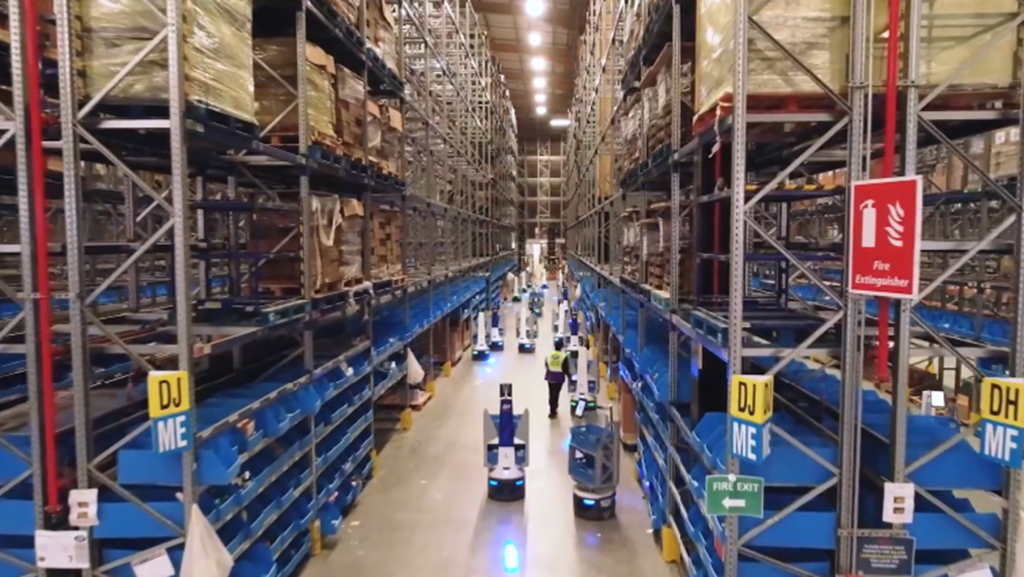
Warehouse storage has evolved significantly, growing in complexity over the years. Today, facilities have access to a diverse range of options for handling and storing goods. However, selecting the most appropriate storage solution for your specific situation can be a daunting task. In this article, we will outline 10 distinct types of storage solutions and systems, encompassing both traditional and automated alternatives. Our aim is to provide you with a comprehensive overview, enabling you to make more informed decisions about the systems that best align with your operational needs.
Traditional Storage
1. Traditional Shelving
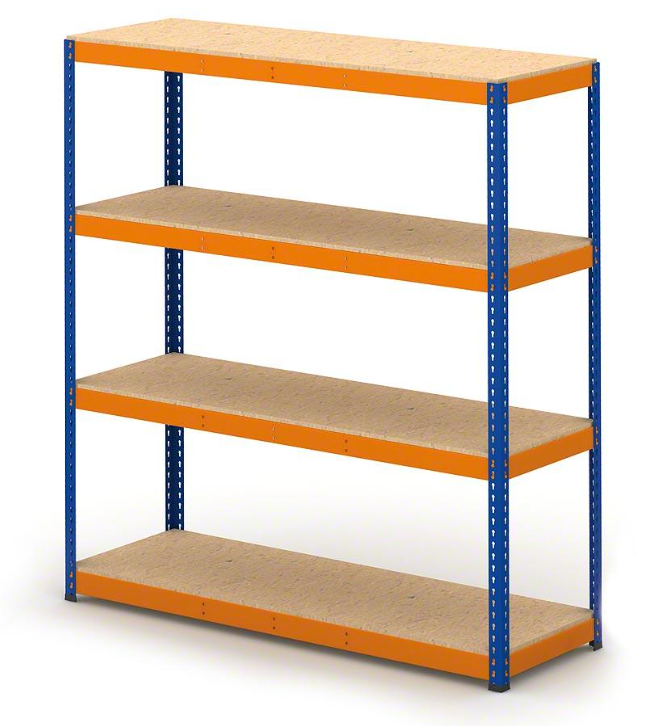
Shelving represents one of the most traditional forms of storage, often coming to mind when people think of storage options. Shelving can be categorized as static or mobile.
Static shelving is designed to remain stationary, typically in the location where it was initially installed. Static shelving naturally creates fixed aisles within the warehouse layout. On the other hand, mobile shelving is intentionally designed to move. It is commonly mounted on a system of carriages and wheels, allowing for mobility. Mobile shelving has the advantage of reducing or even eliminating the need for fixed aisles, enabling denser storage configurations. Each type of shelving serves a specific purpose within an operational context.
Shelving is a versatile storage solution found in many facilities and is often a cost-effective way to store small parts and goods efficiently.
2. Carton Flow Racks
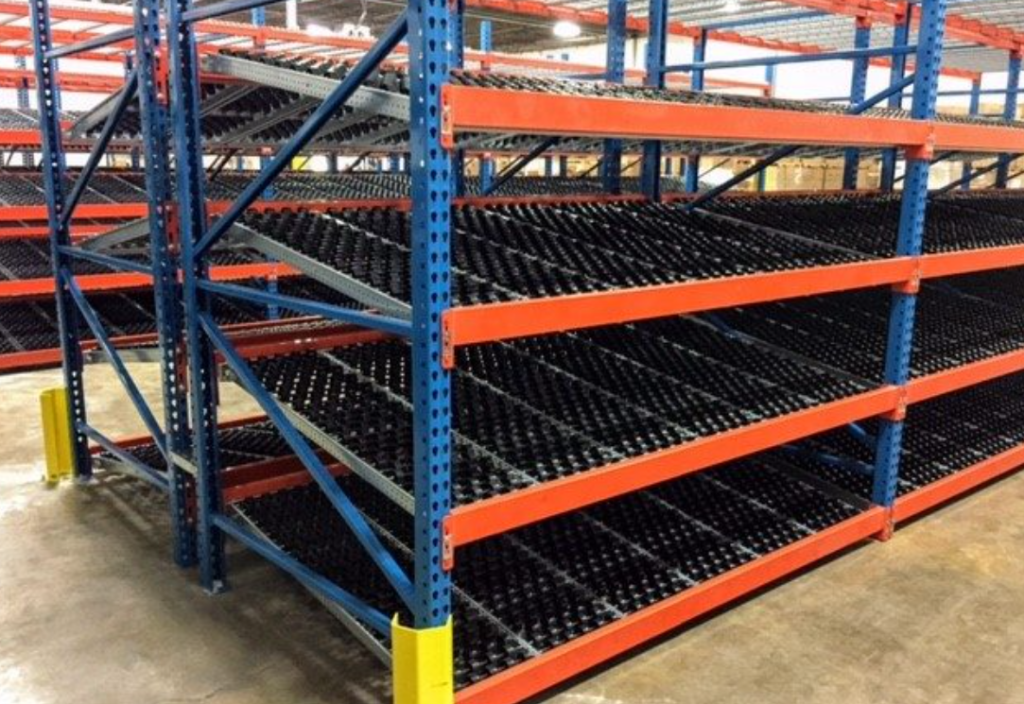
Carton flow racks are a specialized type of racking system tailored to accommodate products, usually at the carton level, which explains their name. These shelves are ingeniously designed with a slight slope. As a result, when the front carton is taken from the rack, this incline causes the next carton to smoothly roll forward, filling the space previously occupied by the removed carton.
Carton flow racks find their ideal application in situations involving fast-moving items or where a first-in/first-out (FIFO) inventory management strategy is essential. They shine brightest in facilities that deal with a high volume of small-sized goods. Carton flow enables more picks per hour to reduce labor costs.
3. Wire Partitions
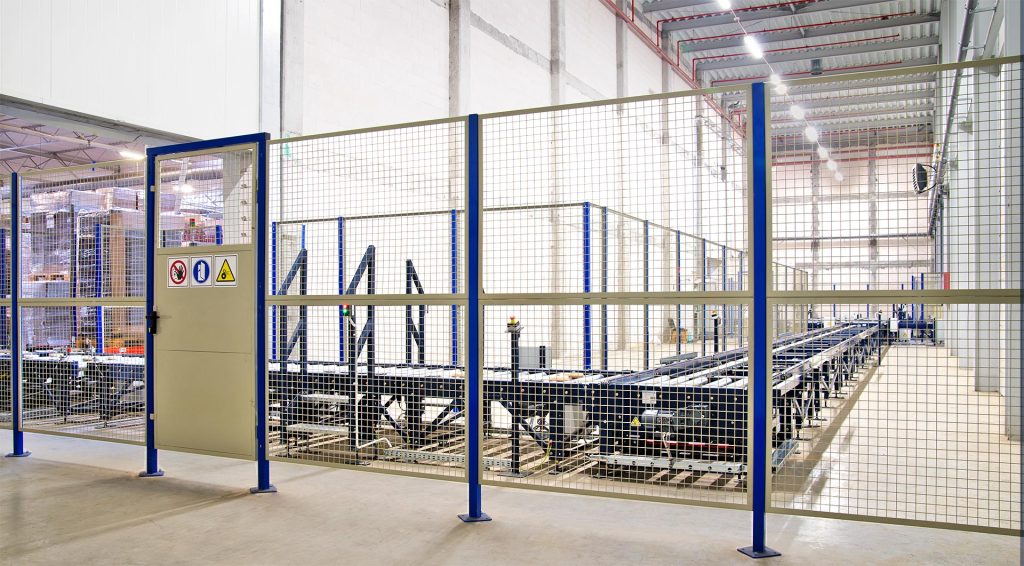
Wire partitions serve more as a security-oriented system rather than a storage solution. Wire partitions are essentially wire cages that are strategically placed within an operation to secure inventory, prevent unauthorized visitors, protect goods, and meet regulations (ex. DEA-certified cages). They are known for their quick installation and removal, making them an excellent choice when time is a critical factor. Due to their design, wire partitions are frequently used to contain large or irregularly shaped items, such as tires or balls. They are often paired with wire mesh fences to create boundaries and enhance security for inventory within a facility.
Wire partitions are best well-suited for securing and separating large, irregularly shaped goods or for delineating inventory storage areas from other parts of a facility.
4. Pallet Racking Systems
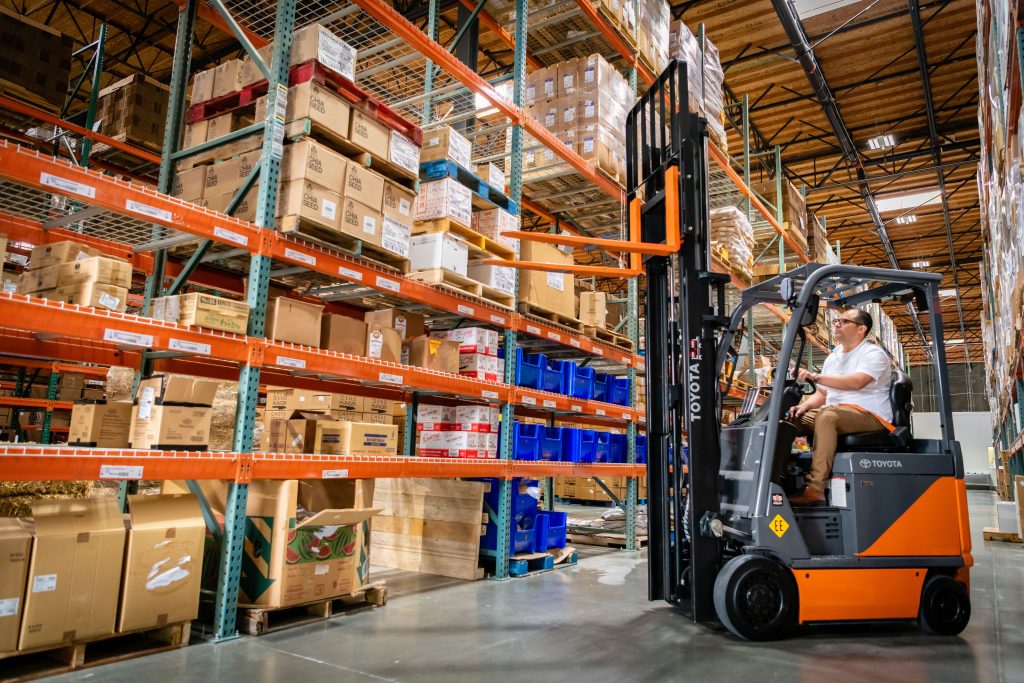
Pallet racking systems are specialized racks designed for the storage of pallets containing inventory. Typically, inventory is loaded onto and retrieved from these racks using forklifts or automated machinery.
These systems find their primary application in large, high-throughput operations where efficient storage is crucial. They excel in maximizing storage density, minimizing unused or wasted space, and effectively utilizing vertical storage capacity within a facility. Pallet racking systems can also be customized or combined with other storage solutions to create various configurations, such as push-back racks, pick tunnels, pallet flow racks, or pallet rack carts.
Pallet racking systems are prevalent across industries and facilities, often serving as the default storage solution for palletized goods. However, it’s worth noting that while they are versatile, they may not always provide the most efficient use of available space in every situation.
5. Mezzanines
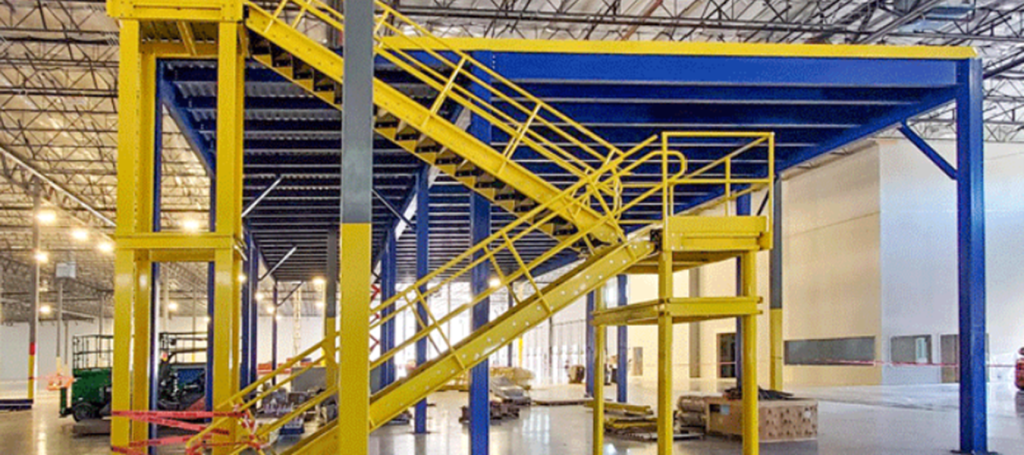
A mezzanine serves as an additional level of warehouse space constructed within your existing facility. Think of it as adding an extra floor (or multiple floors) inside your warehouse, effectively expanding the usable space available for storage and various activities.
A mezzanine’s purpose is to utilize the unused air space above a production area to double production or gain storage on that level. The costs of the mezzanine are justified compared to the cost of an extension of the current facility, a 3PL outsourcing, or a lease on another building. The Summit Handling Warehouse Solutions Group is available to evaluate your situation to determine the right fit with the best R.O.I.
Automated Storage
1. ASRS
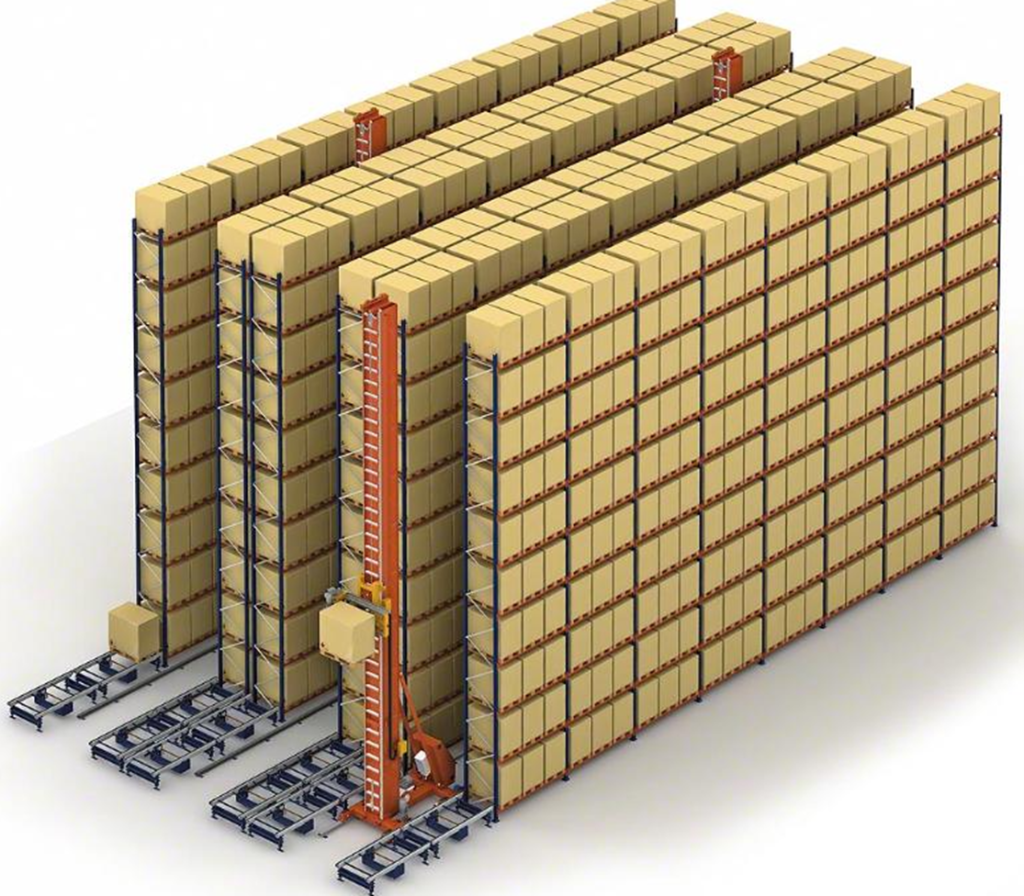
An Automated Storage and Retrieval System (ASRS) comes in many forms to suit the specific need and maximizes either pallet storage space or greater picking efficiency through automation for storing and retrieving goods within your facility. ASRS operates by storing pallets in a highly dense racking system, where automated retrieval robots manage the storage and retrieval of the required pallets. This innovative racking system effectively utilizes both vertical and horizontal space, ensuring that robots can access every pallet within the system. ASRS systems are available in various sizes and configurations to accommodate the storage needs of different types of goods.
ASRS can be integrated as a standalone module within an existing warehouse, or you can design your entire warehouse layout around an ASRS system from the outset.
ASRS systems are particularly well-suited for facilities that handle a significant volume of goods, which need to be stored for a medium to long duration, or in facilities seeking to maximize their available storage space efficiently.
2. Pick Modules
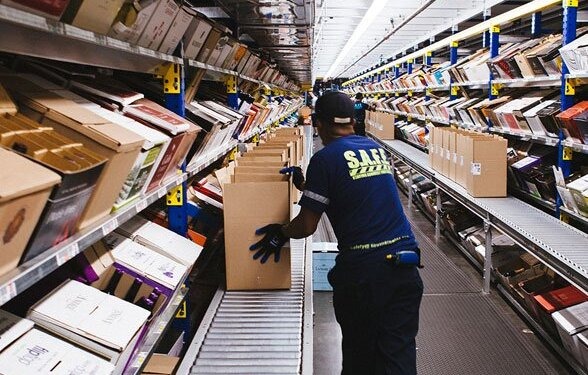
Pick modules integrate traditional racking systems, conveyor belts, and multi-story structures to optimize the efficiency of goods flow, picking efficiency, and vertical space. Their strength lies in superior space utilization, enabling the dynamic storage and retrieval of multiple SKUs of varying sizes and shapes throughout your facility. Pick modules are most effective in facilities with a diverse range of SKUs required for pallet assembly, as they can efficiently retrieve goods from various locations and consolidate them into a single location.
Pick modules serve as an ideal solution for operations that need to assemble or disassemble pallets containing many different SKUs.
3. Carousels
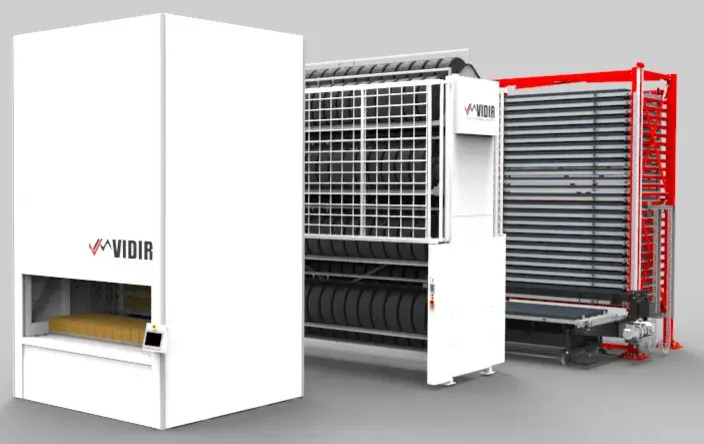
Carousels represent an efficient “goods-to-person” storage solution, designed for storing smaller and lighter products on movable vertical or horizontal shelves to optimize space utilization and enhance operational efficiency. These carousels offer an excellent means of efficiently storing a wide range of diverse SKUs or parts within a limited footprint. Carousels are available in various configurations tailored to accommodate the shapes and sizes of the items they are intended to store.
Carousels can serve as a valuable addition to any facility or parts department, particularly when there is a need to store small, loose parts or goods. Carousels are usually configured in groups of two or three units as a picking module. One operator can pick 150 to 250 picks per hour. How many picks per hour are your pickers doing?
4. Vertical Lift Modules
Vertical Lift Modules (VLMs) are a type of Automated Storage and Retrieval System (ASRS) that utilizes a high-density, compact unit with an extraction device positioned between two rows of stored goods. When a request is made, the extraction device retrieves the requested items with a simple push of a button and brings them to an opening at the end of the module for easy retrieval. VLMs are specifically designed to maximize vertical storage space utilization, thereby allowing you to optimize your warehouse storage capacity while reducing labor costs through automated storage and retrieval processes.
VLMs are particularly well-suited for facilities that handle a wide range of different SKUs and require the efficient picking of multiple SKUs for individual orders. They are also an excellent choice for facilities seeking to streamline their operations, saving both time and labor when it comes to storing and retrieving goods. VLMs are usually configured in groups of two or three units as a picking module. One operator can pick 250 to 350 picks per hour. How many picks per hour are your pickers doing?
5. Autonomous Mobile Robot
Autonomous Mobile Robots (AMRs) represent a cutting-edge approach to goods storage and retrieval that offers increased flexibility. AMRs are essentially robots capable of autonomously picking and storing products within your facility, eliminating the need for extensive facility redesign. They rely on cameras and warehouse management software to determine the precise locations of requested goods within your facility and navigate to retrieve or store them efficiently. Depending on the type of goods, AMRs can pick up multiple items in the shortest path before returning to the designated discharge area. This technology allows for substantial labor cost savings and can seamlessly operate with multiple racking or shelf levels containing a large variety of SKUs.
AMRs are an excellent choice for facilities seeking to automate labor processes without the need for extensive facility overhauls. They are compatible with various traditional storage systems, making them a versatile solution for optimizing warehouse operations.
Warehouse handling and storage indeed present ongoing challenges, especially as the demand for efficient material handling continues to grow. We trust that the solutions and systems detailed above have provided you with valuable insights into selecting the most suitable storage solutions or systems for your facility. It’s essential to keep in mind that there is no universally applicable solution, and combining multiple solutions can often yield the most effective results.
If you require assistance in determining the optimal solution or system for your facility, we encourage you to reach out to Summit’s warehouse solutions experts for a complimentary consultation. We are committed to helping you navigate your options and find the most efficient solution tailored to your specific requirements.
5 Steps to Modernizing Your Warehouse
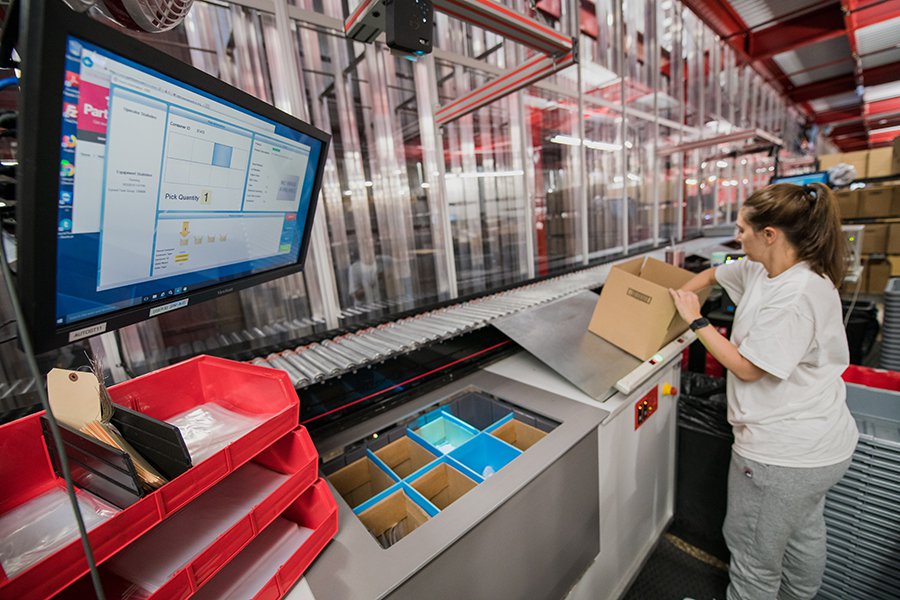
In today’s rapidly evolving business landscape, the need for modernizing your warehouse operations has become more critical than ever before. Modernization not only improves efficiency but also enables your warehouse to keep up with the demands of an increasingly competitive market. From automation to data analytics, there are numerous strategies you can employ to transform your warehouse into a well-oiled, efficient machine. In this blog post, we’ll explore the five essential steps to modernizing your warehouse.
1. Assess Your Current Operations
Before diving into the modernization process, it’s crucial to have a clear understanding of your existing warehouse operations. Begin by conducting a comprehensive assessment of your facility, processes, and technologies. Identify bottlenecks, areas of inefficiency, and any outdated equipment or systems that need an upgrade. This assessment serves as the foundation for your modernization strategy, allowing you to pinpoint areas that require the most attention.
2. Implement Warehouse Management Software (WMS)
One of the key elements of warehouse modernization is the adoption of Warehouse Management Software (WMS). A robust WMS system can revolutionize your operations by providing real-time visibility into inventory, automating tasks, and optimizing workflow. Features of a WMS may include inventory tracking, order management, and demand forecasting. By streamlining these processes, your team will reduce errors, improve order accuracy, and enhance overall operational efficiency.
3. Embrace Automation and Robotics
Automation and robotics have emerged as game-changers in modern warehousing. Implementing technologies such as automated guided vehicles (AGVs), conveyor systems, and robotic pickers can significantly boost productivity while minimizing the need for manual labor. Robots can efficiently handle repetitive tasks, allowing your workforce to focus on more strategic and value-added activities. The integration of these technologies can also lead to safer working conditions and reduced operational costs over time.
4. Harness Data Analytics and IoT
The modern warehouse operates in a data-driven world. Leveraging data analytics and the Internet of Things (IoT) can provide valuable insights into your operations, helping you make informed decisions and optimize processes. IoT sensors can monitor temperature, humidity, and other environmental factors, ensuring the quality and safety of your products. Data analytics tools can identify trends, forecast demand, and improve inventory management. By harnessing the power of data, you can respond to changing market dynamics more effectively.
5. Train and Empower Your Workforce
While technology plays a pivotal role in warehouse modernization, it’s equally important to invest in your workforce. Training your employees to work alongside new technologies and encouraging a culture of continuous improvement can maximize the benefits of modernization. Cross-training your team allows them to adapt to changing roles and responsibilities as automation takes over routine tasks. Empower your workforce to provide feedback and suggestions for further improvements, fostering a collaborative environment that supports innovation.
Modernizing your warehouse is a multifaceted process that requires a combination of technology adoption, process optimization, and employee development. By following these five essential steps – assessing your operations, implementing WMS, embracing automation, harnessing data analytics, and empowering your workforce – you can position your warehouse for success in the digital age. Modernization not only enhances efficiency but also enables your business to meet the demands of today’s competitive marketplace, ensuring long-term growth and sustainability.
Trust the Summit Warehouse Solutions Team to be Your Partner and Guide
Trusting Summit Handling’s experienced Warehouse Solutions team to assist you in assessing your warehouse and identifying opportunities can help evolve your modernization journey. With a wealth of industry knowledge and a track record of successful warehouse transformations, Summit Handling’s experts are well-equipped to guide you through the modernization process. They understand the unique challenges and complexities of warehouse operations and can tailor solutions that align with your specific needs and goals. Whether it’s optimizing your layout, recommending the right automation technologies, or implementing a state-of-the-art Warehouse Management Software, their expertise can make the difference between a traditional warehouse and a cutting-edge, efficient facility. By partnering with Summit Handling, you gain a trusted ally on your path to warehouse modernization, ensuring that you unlock the full potential of your operation while minimizing risks and maximizing returns.
Make Safety a Priority in Your Warehouse Operations
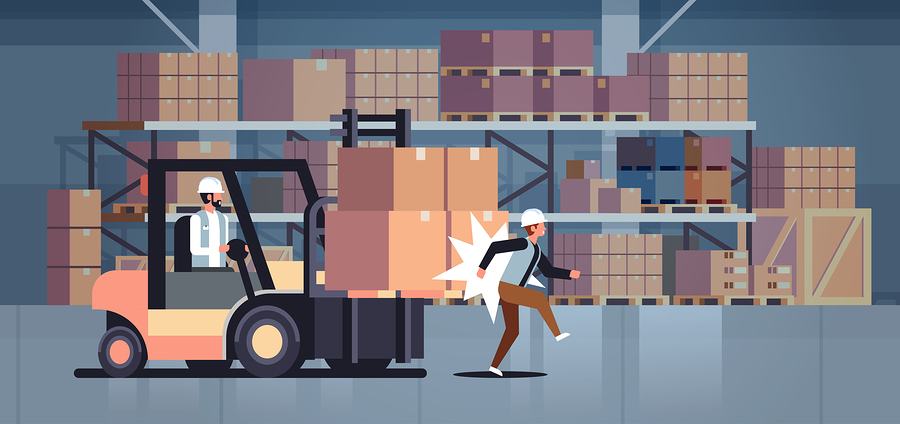
Warehouse safety is not just a regulatory requirement; it is a cornerstone of efficient operations and a commitment to the well-being of your employees. Neglecting safety can lead to equipment breakdowns, workplace injuries, decreased productivity, and a host of other issues. In this blog, we’ll explore the importance of making safety a top priority in your warehouse and practical steps to achieve it.
Compliance with OSHA Standards
The Occupational Safety and Health Administration (OSHA) sets stringent standards for workplace safety. Compliance with these standards is not optional; it is a legal obligation. However, going beyond compliance can have far-reaching benefits for your warehouse operations. Not sure if your warehouse is up to OSHA safety standards? Reach out to Summit for a free safety consultation!
Protecting Your Workforce
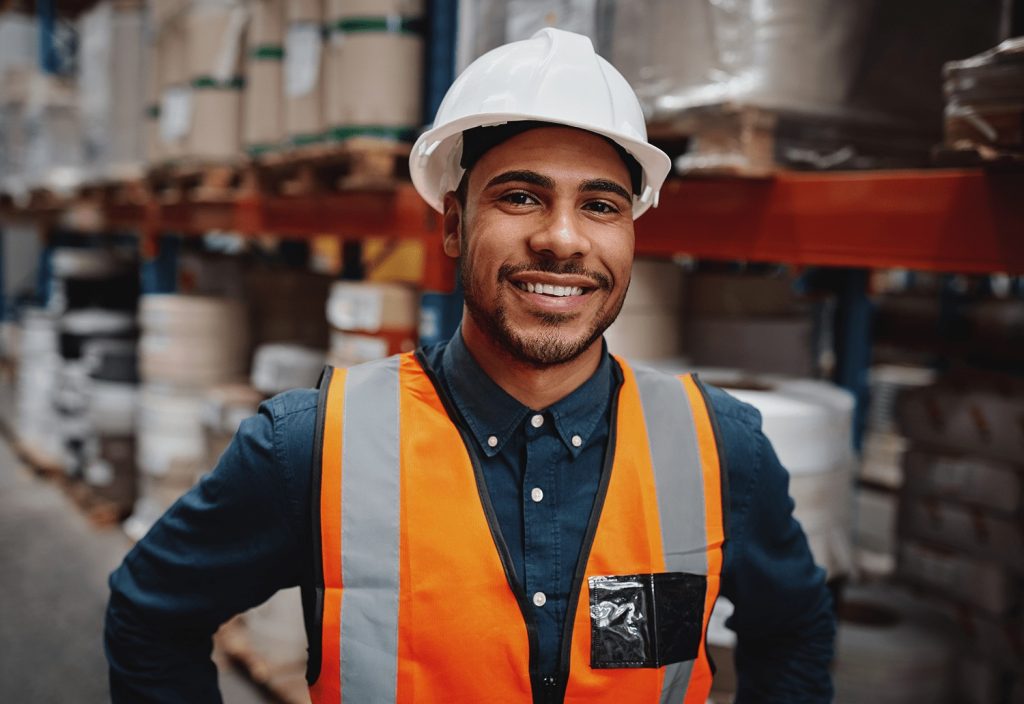
A safe warehouse is a productive warehouse. Ensuring the safety of your employees is not just an ethical duty; it’s a smart business move. Workplace injuries and accidents can disrupt operations, lead to downtime, increase insurance costs, and damage employee morale. Protecting your employees can help lower workplace accidents and downtime and increase employee morale.
The Role of Safety Equipment
One effective way to minimize safety errors is by installing and maintaining safety equipment. This includes:
- Blind Spot Mirrors – These mirrors help drivers of forklifts and other machinery see blind spots, reducing the risk of collisions and accidents.
- Blue Light Indicators – Blue lights on forklifts signal their presence, alerting pedestrians to stay clear, thus preventing accidents.
- Signs – Clear signage indicating safety procedures, hazards, and emergency exits is crucial for guiding employees and visitors safely.
- Guard Posts and Rails – These barriers protect employees and equipment from accidental collisions, preventing damage and injuries.
- Racking Protectors – Protecting racking systems ensures stability and minimizes the risk of collapses, which can be disastrous.
- Personal Protective Equipment (PPE) – Providing appropriate PPE such as helmets, gloves, and high-visibility vests is essential for worker safety.
Enhanced Efficiency through Safety
Investing in safety practices and equipment is an investment in efficiency. When employees have access to functional safety tools, they feel more secure in their workspace. Especially in large and busy warehouses with large forklifts and machinery, safety equipment and safety measures can make a large difference in worker’s confidence as they are working side by side with this heavy equipment. Having your forklift operators trained in operator training is not only a recommendation but a requirement by OSHA and can provide a safety checklist to help you establish safety protocols in your warehouse. Confidence in safety measures translates into improved focus, reduced stress, and increased productivity.
Designated Pedestrian Areas
Separating pedestrians from large moving equipment is paramount. Use floor tagging and signage to clearly mark designated walking areas. These measures reduce the chances of accidents caused by individuals accidentally stepping into the path of machinery.
Effective Communication
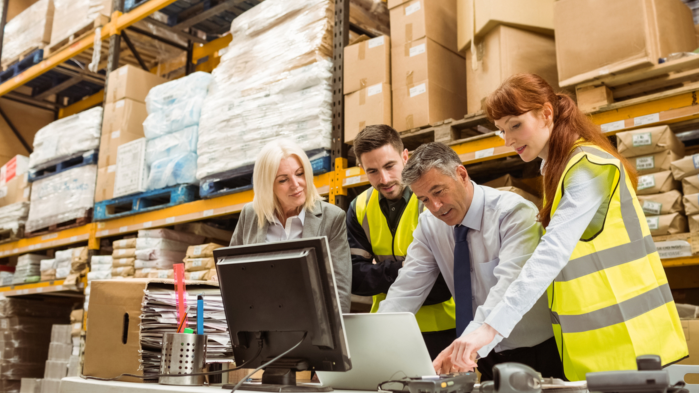
Ensure all employees are aware of safety protocols and the location of safety equipment. A map hung in high-traffic areas, clearly marked with pedestrian zones and equipment routes, reinforces this information. Regular safety meetings and training sessions can also keep safety at the forefront of employees’ minds. Keeping safety a priority in your workforce can go a long way to mitigating safety hazards and safety violations helping your warehouse stay more productive.
Making safety a priority in your warehouse is not just a legal requirement; it’s a strategic decision that impacts both the well-being of your workforce and the efficiency of your operations. By investing in safety equipment, designating pedestrian areas, and fostering a culture of safety, you can create a workplace that is not only compliant with regulations but also conducive to productivity and success. Remember, in the warehouse, safety should always come first. Not sure if your warehouse is up to safety standards? Reach out to Summit, our warehouse solutions experts can help identify any potential safety hazards or violations in your warehouse. Ask for our FREE consultation!
Warehouse Organization to Maximize Efficiency
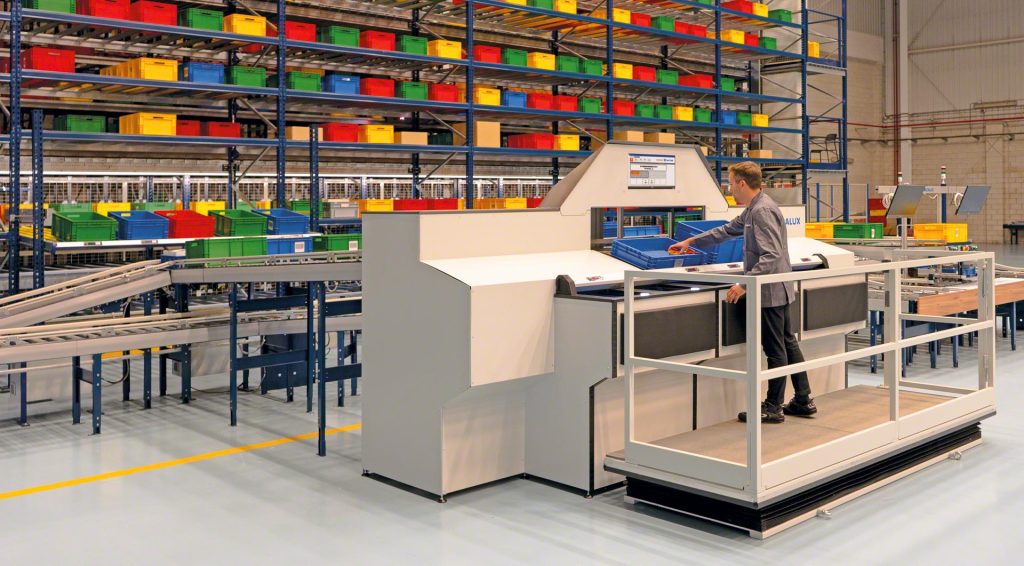
Material handling is the process of moving goods from one place to another, and in the world of e-commerce and supply chain management, efficiency is the name of the game. One of the most crucial aspects of maintaining an efficient warehouse operation is keeping products organized. It might seem like a straightforward task, but the impact of proper organization on your bottom line cannot be overstated. From reducing picking errors to improving customer satisfaction, an organized warehouse is key to success. In this blog, we’ll explore why keeping products organized is vital and provide some practical tips to help you achieve this goal.
Minimize Picking Errors
Picking errors can be costly, both in terms of time and money. When products are scattered haphazardly in your warehouse, it becomes all too easy for employees to pick the wrong item. This leads to costly returns, wasted time, and dissatisfied customers. To avoid this, consider implementing a logical and consistent organizational system.
For instance, using labeled bins, shelves, and racks for different product categories or SKUs can make it much easier for employees to locate and pick the right items quickly. When products have designated spots, there’s less room for confusion and fewer opportunities for errors. Having your employees keep your stock organized throughout the day is also important since if a returned product is not put back in the correct place and is randomly put somewhere else, it can cause confusion and increase picking errors.
Streamline Restocking
Restocking is an ongoing process in any warehouse. Without proper organization, restocking can quickly become a chaotic and time-consuming task. When new inventory arrives, it’s crucial to have designated areas where it can be stored efficiently. This prevents congestion in your warehouse and ensures that products are readily accessible when needed.
Moreover, don’t forget about the importance of discarding debris appropriately. Stretch wrap, empty boxes, and other packaging materials can accumulate quickly. Make sure there are designated disposal areas within your warehouse to maintain cleanliness and organization. A cluttered warehouse not only slows down operations but can also pose safety hazards.
You can also use warehouse solutions such as robotics like Automatic Guided Vehicles(AGVs), Automated Storage and Retrieval Systems(ASRS), or an Automatic De-Palletizer to automatically move products to their designated area for easier restocking.
Lastly, make sure you have a plan on how to efficiently restock your goods. Nothing is less efficient than having to move from one side of the warehouse to another just to restock 2 different goods. Making sure that you restock only items that are stocked in similar locations during a restocking trip means your workers can move more efficiently, making you take less time needed to restock products.
Enhance Employee Efficiency
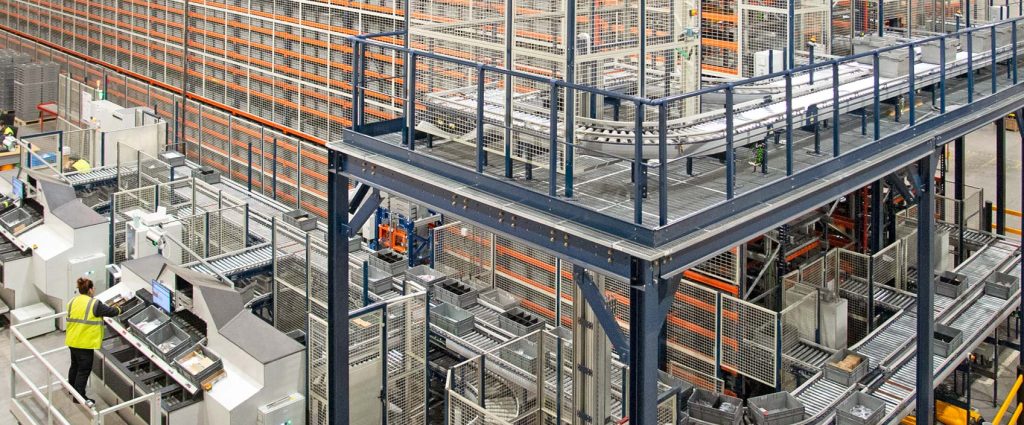
Your employees are the backbone of your warehouse operation. When they spend less time searching for items and more time fulfilling orders, their efficiency and profitability increase. Organizing products effectively on shelves and racks, and labeling them clearly, can significantly reduce the time it takes to pick up and pack orders.
Consider using totes, bins, and dividers for areas with a wide variety of items. Also, implement a pick-to-light solution to help your worker quickly identify the right goods to pick. These tools can help prevent products from getting mixed up and make it easier for employees to find what they need quickly. If you have a large number of products, consider implementing a goods-to-person solution to move goods to the picker to allow a faster picking time with lower picking errors. The more streamlined and intuitive your organization system is, the more efficient your workforce can be.
Improve Customer Satisfaction
In today’s competitive market, customer satisfaction is paramount. Disorganized warehouses can lead to shipping mistakes, late deliveries, and unhappy customers. The costs associated with processing returns, covering additional shipping charges, and addressing negative reviews can quickly add up.
By keeping products organized and minimizing picking errors, you’re not only saving on operational costs but also ensuring that your customers receive their orders accurately and on time. Happy customers are more likely to become repeat customers, ultimately boosting your bottom line.
In the fast-paced world of warehousing, keeping products organized is not just a nicety; it’s a necessity. From reducing picking errors to enhancing employee efficiency and improving customer satisfaction, the benefits of maintaining an organized warehouse are numerous. Take the time to establish clear organization systems, provide the right tools and resources for your employees, and regularly audit and adjust your processes to ensure continued efficiency. In doing so, you’ll create a warehouse operation that’s not only cost-effective but also poised for long-term success in the ever-evolving world of e-commerce and logistics. Need help organizing your warehouse space or operation? Reach out to Summit and we can help you be more efficient in your warehouse operation.
Warehouse Cleaning for Efficiency and Safety
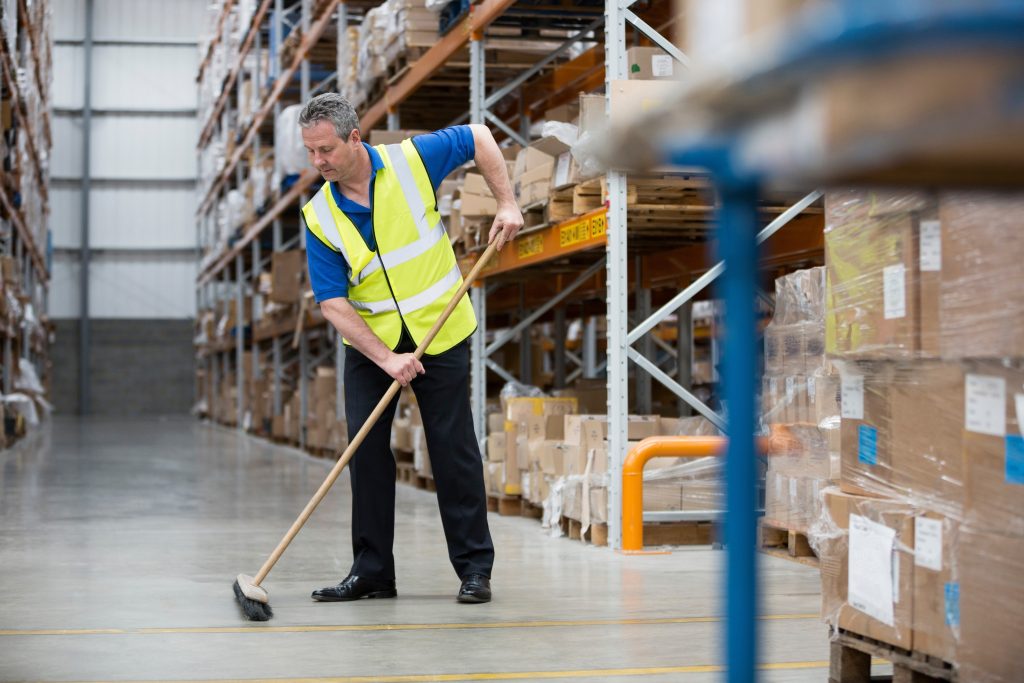
In the world of logistics and supply chain management, warehouses play a pivotal role in ensuring the smooth flow of goods from manufacturers to consumers. A well-organized and clean warehouse can significantly impact the efficiency of your operations and, more importantly, the safety of your employees. In this article, we will emphasize the importance of keeping your warehouse clean and share some practical tips on how to maintain a tidy workspace.
Constant Vigilance
Keeping a warehouse clean might seem like an endless task, but it’s a crucial one. The old saying “an ounce of prevention is worth a pound of cure” applies perfectly here. Imagine the plastic wrap from incoming pallets that accumulates over time. It might seem insignificant, but when multiplied by the number of pallets your warehouse handles, it can quickly become a problem, therefore disposing of rubbish as soon as you are able will help prevent this insignificant problem from growing out of control. To address this, it’s essential to make cleanliness an integral and constant part of your warehouse culture.
Employee Training
Start by training all your warehouse employees to be proactive in maintaining cleanliness. Encourage them to pick up debris, such as wood pallet chips or plastic, from the floor whenever they come across it. These seemingly minor items can damage equipment wheels and undercarriages and, over time, cost your company thousands of dollars in repairs and replacements. Additionally, they pose safety hazards to employees who may trip or slip on them.
Strategic Garbage Can Placement
Strategic placement of garbage cans within your warehouse is a simple yet effective way to keep clutter at bay. Consider installing garbage cans at the end of every aisle or between loading docks. This accessibility ensures that employees can quickly dispose of any debris they encounter during their tasks. Without easy access to disposal options, debris is more likely to be tossed around the warehouse, exacerbating the cleanliness issue.
Hiring Janitors
If your warehouse operates in multiple shifts or if you have a large crew, it’s even more critical to maintain cleanliness consistently. One solution is to implement the role of a janitor, whose primary responsibility is to keep the warehouse clean during or between shifts. Janitors can swiftly address any mess or debris left behind by workers and equipment, ensuring that the workspace is clean and safe for the other workers.
Assign Responsibilities to Equipment Operators
In addition to janitors, you can assign equipment operators specific cleaning duties at the start of their shifts. This can be done as part of their pre-shift inspection routine. For example, forklift operators can be tasked with inspecting their areas and promptly reporting any debris or safety hazards they encounter. A brief 10-minute cleanup can go a long way in maintaining a clean and organized workspace.
Benefits of a Clean Warehouse
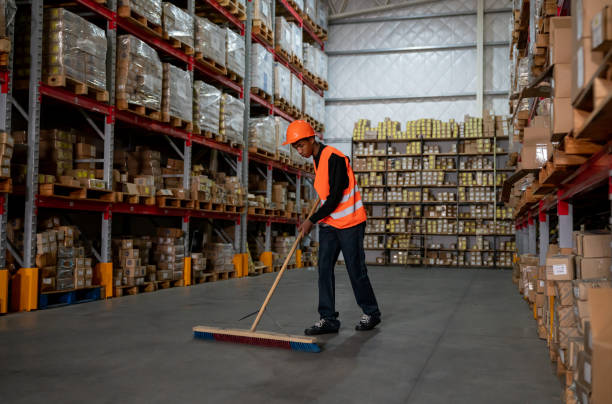
Maintaining a clean warehouse offers numerous benefits beyond just aesthetics. Here are some compelling reasons to prioritize cleanliness:
- Enhanced Safety: A cluttered warehouse is a breeding ground for accidents. By keeping the workspace clean, you significantly reduce the risk of slip and fall incidents and injuries caused by tripping over debris.
- Increased Efficiency: A clean and organized warehouse is more efficient. Employees can find items quickly, and equipment operates smoothly, reducing downtime and increasing productivity.
- Improved Equipment Longevity: Debris on the warehouse floor can damage equipment wheels and components. Regular cleaning helps extend the life of your equipment, saving you money on repairs and replacements.
- Better Inventory Control: A clean warehouse allows for better inventory management. You can easily track items, reduce the risk of misplacement, and ensure that products remain in good condition.
Maintaining a clean warehouse requires commitment and effort, but the benefits far outweigh the costs. By instilling a culture of cleanliness, strategically placing garbage cans, and involving employees in the process, you can create a safer and more efficient workspace. Remember that cleanliness is not just about appearances; it’s a fundamental aspect of warehouse management that contributes to your company’s overall success.